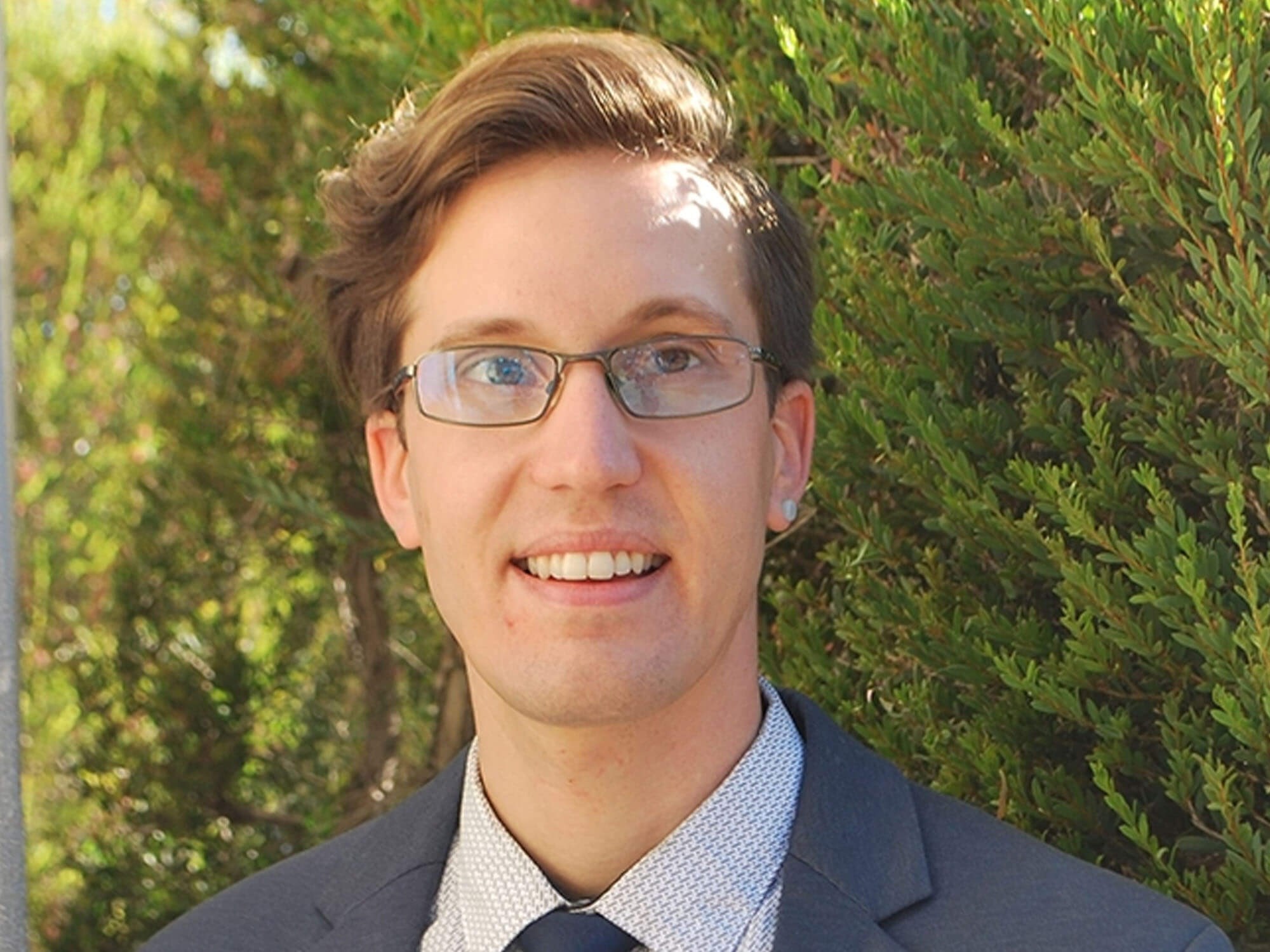
Dr. Andrew Damian is a clinical neuropsychologist with specialty training in pain psychology, neuropsychology, and neurofeedback. His work rests on a conviction that runs through everything at Mind Body Treatment: that people have an innate capacity to grow, heal, and change — and that care works best when it engages both the mind and the measurable brain.
His clinical work centers on qEEG-guided neurofeedback and biofeedback. He believes brain-based care works best in concert with good psychotherapy, so where talk therapy would help he coordinates with a trusted network of community providers, because pairing the two is often more effective than either alone.
Education & training
- Doctorate of Psychology — California Institute of Integral Studies, a practitioner-scholar program blending depth psychology with rigorous clinical training
- Pre-doctoral internship in clinical neuropsychology — Goodwill Neurorehabilitation Services, Portland, ME, specializing in brain-behavior relationships
- Postdoctoral fellowship in pain psychology — San Mateo Medical Center, working within an interdisciplinary chronic pain clinic, where he developed and launched a biofeedback and neurofeedback program that produced measurable improvements in heart-rate variability, brainwave amplitudes, and patient-reported outcomes
- Board Certified in Neurofeedback — Biofeedback Certification International Alliance (BCIA)
His broader clinical training spans hospitals, community mental health centers, county jails, outpatient neurorehabilitation facilities, and the California Department of Rehabilitation — a uniquely wide view of how different people heal.
Specialties
- Neuropsychology and brain-behavior functioning
- Pain psychology and chronic pain management
- Biofeedback and neurofeedback training
- Quantitative EEG (qEEG) brain mapping
- Cognitive-behavioral, acceptance-based, and mindfulness-based therapies
- Nervous-system self-regulation and performance optimization
Dr. Damian’s published dissertation — Reserve and Mindfulness Meditation: Preventative Therapies for Alzheimer’s Disease — An Integrative Review — reflects a long-standing research interest in how training and lifestyle protect the brain.