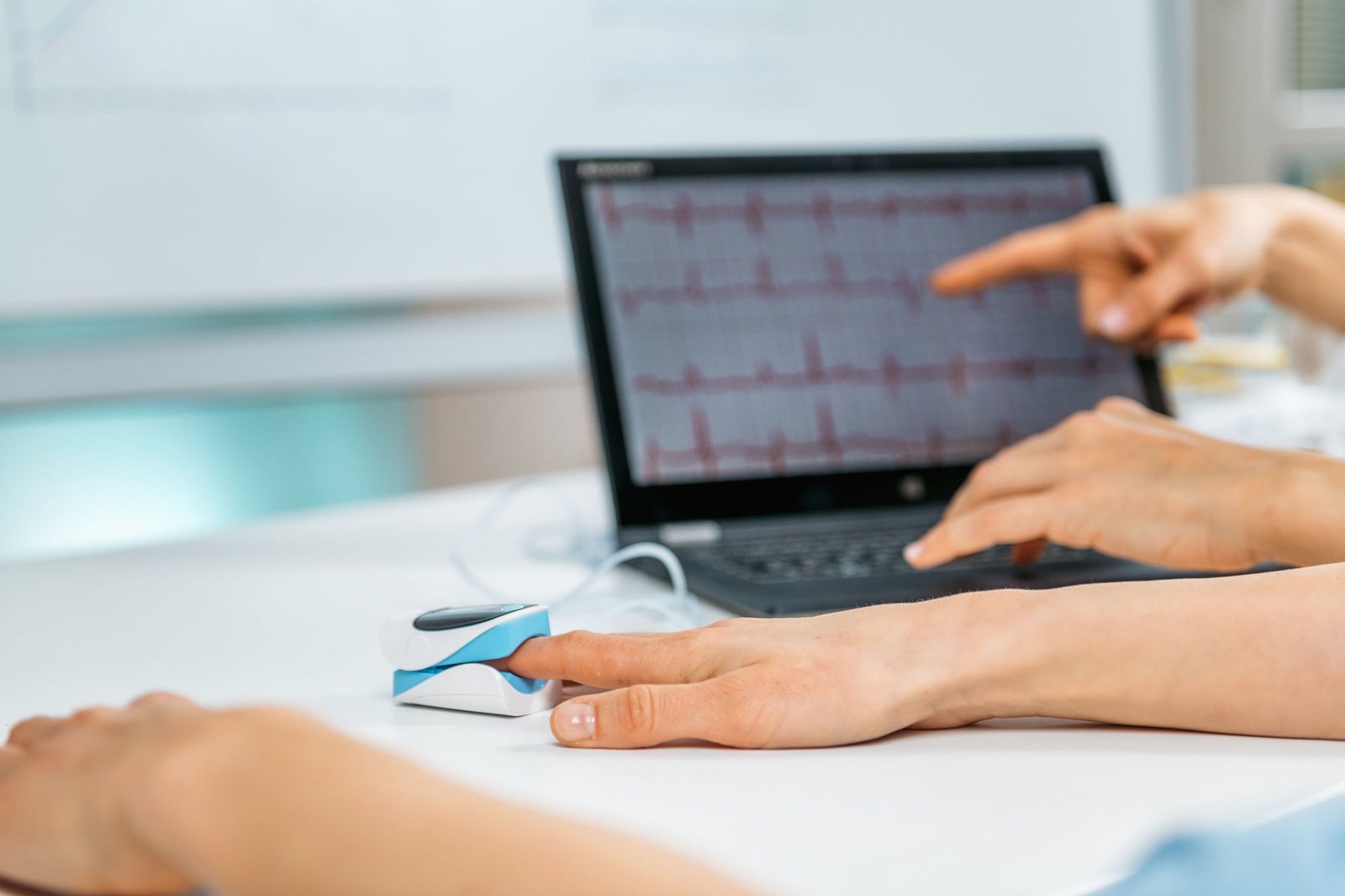
Biofeedback makes the body's invisible stress signals visible. Sensors measure heart rate and its variability, breathing, muscle tension, skin response, and temperature; a screen shows you those signals in real time. With a clinician coaching you, you learn — concretely, not conceptually — how to shift them: slowing the breath until heart rhythms smooth, releasing muscle tension you didn't know you were holding.
These are not relaxation platitudes; they're trainable physiological skills. Once learned, they're yours — in traffic, before a difficult conversation, at 3 a.m. when your mind is racing.
What biofeedback trains
- Heart-rate variability (HRV): the rhythm of a flexible, resilient nervous system — HRV training is among the best-supported tools for anxiety and stress
- Breathing: slow diaphragmatic breathing that directly engages the body's calming response
- Muscle tension (EMG): releasing the clenching that feeds tension headaches and pain
- Peripheral temperature & skin response: markers of the fight-or-flight system you can learn to settle
What we use it for
Biofeedback supports treatment of anxiety, chronic pain, insomnia, PTSD, and stress-linked conditions, and it pairs naturally with neurofeedback: one trains the brain, the other trains the body, and the nervous system is both. Dr. Damian built a hospital biofeedback and neurofeedback program during his fellowship at San Mateo Medical Center that produced measurable improvements in HRV and patient-reported outcomes.
What to expect
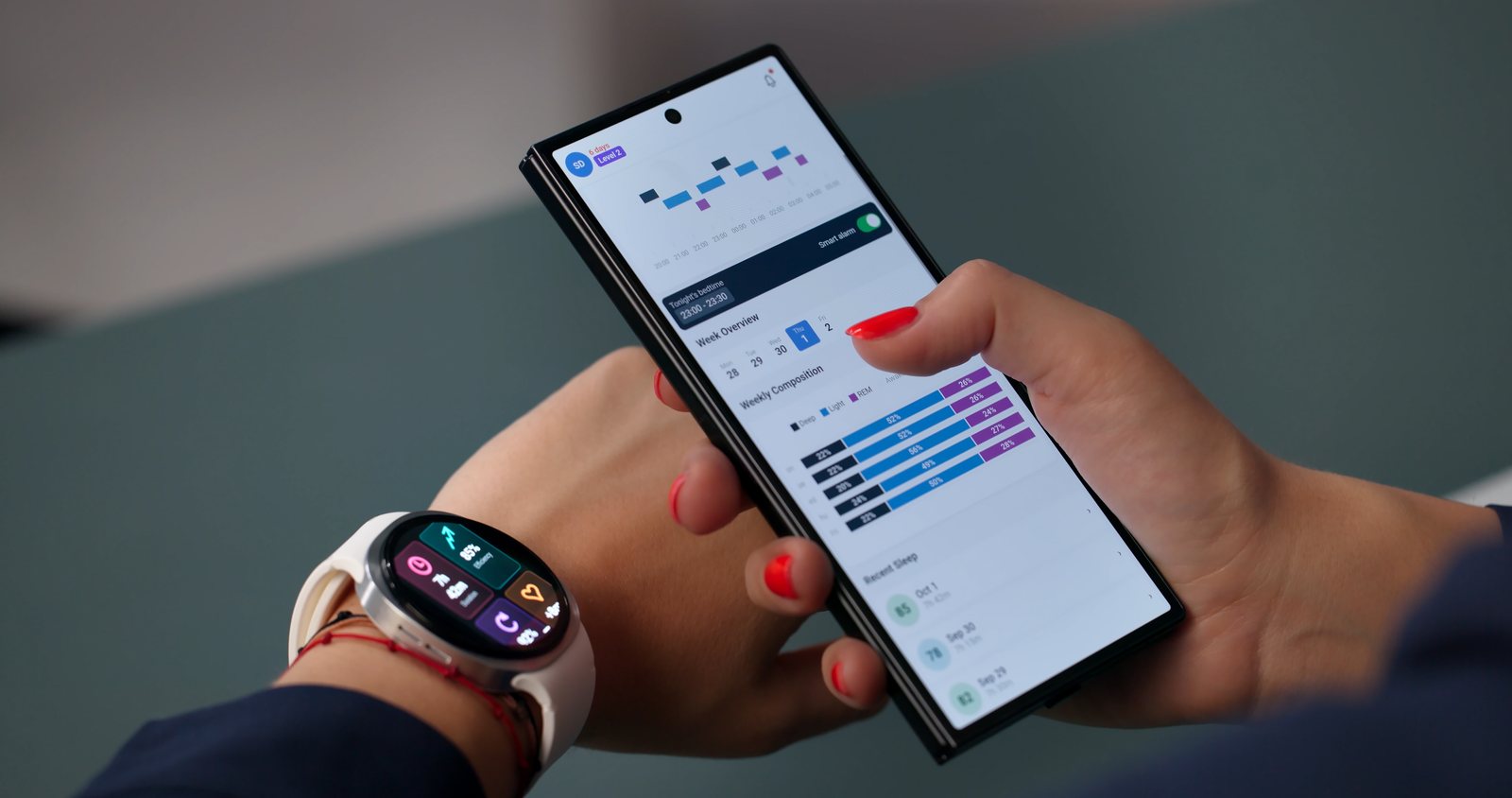
Sessions are 60 minutes at our Oakland and Santa Rosa clinics. Most patients feel the skills working within the first sessions — the training that follows is about making those shifts automatic.