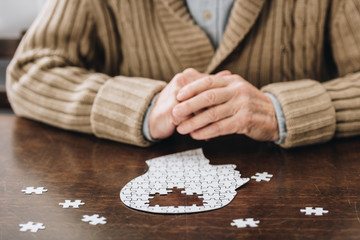
Traumatic brain injuries — from concussions to more serious injuries — can leave lingering symptoms long after scans look "normal": brain fog, headaches, fatigue, irritability, light sensitivity, memory problems, and mood changes. Standard imaging shows structure; it often misses the disrupted function that produces these symptoms.
That functional layer is exactly what qEEG measures — and what neurofeedback trains.

Signs it may be time to reach out
- Post-concussion symptoms lasting beyond expected recovery windows
- Brain fog, slowed thinking, or memory lapses since an injury
- Headaches, fatigue, or sensory sensitivity that limit your day
- Mood or personality changes noticed by you or people close to you
- "Normal" scans but a brain that doesn't feel normal
How we help after brain injury
A qEEG brain map identifies regions producing disrupted electrical patterns after injury. Neurofeedback then trains those areas toward healthier activity, leveraging neuroplasticity — the brain's capacity to reorganize. Dr. Damian's clinical neuropsychology training (including a neurorehabilitation internship) grounds this work, and we coordinate with your physicians, neurologists, and rehabilitation providers as a complement to medical care.

What to expect
Recovery timelines vary with the injury; we re-map periodically so you and your care team can see objective change, not just symptom reports. Sessions are 60 minutes at both our Oakland and Santa Rosa locations.