
Overcoming Burnout: Tips and Strategies for Mental Health Professionals

icon-person

Dr. Andrew Damian

icon-calendar

12/18/2022

Overcoming Burnout: Tips and Strategies for Mental Health Professionals

Mental health professionals are at a high risk for burnout, a state of physical, emotional, and mental exhaustion that can be caused by prolonged stress and high demands. Burnout can have serious consequences, including decreased job satisfaction, impaired patient care, and an increased risk of developing mental health issues.

Here are some tips and strategies for overcoming burnout:

  1. Set boundaries: It's important to set limits on your time and energy to prevent burnout. This could include setting limits on the number of patients you see per day, saying no to non-essential tasks, and taking regular breaks.
  2. Take care of yourself: Make sure you are taking care of your physical and emotional needs. This could include getting enough sleep, eating a healthy diet, exercising regularly, and practicing self-care activities such as meditation or yoga.
  3. Seek support: It's important to have a support system to turn to when you are feeling overwhelmed. This could include talking to a trusted colleague, joining a support group, or seeking the help of a therapist.
  4. Use new technologies to improve outcomes: New technologies such as teletherapy and electronic health records can help mental health professionals streamline their practices and improve patient care. Teletherapy allows providers to offer therapy sessions remotely, which can be especially beneficial during the COVID-19 pandemic. Electronic health records can help providers keep track of patient information, treatment plans, and progress in a secure and efficient way. By incorporating these technologies into their practices, providers can improve outcomes for their patients and reduce the risk of burnout.
  5. Practice stress management techniques: There are many stress management techniques that can help you cope with the demands of your job. These could include deep breathing exercises, progressive muscle relaxation, and mindfulness meditation.
  6. Seek supervision: Supervision can provide an opportunity to debrief about difficult cases and receive support and guidance from a mentor. It can also help to prevent burnout by providing an outlet for discussing challenges and finding solutions.

By implementing these strategies, mental health professionals can prevent burnout and maintain their well-being. Remember, it's important to prioritize your own well-being in order to effectively help others.
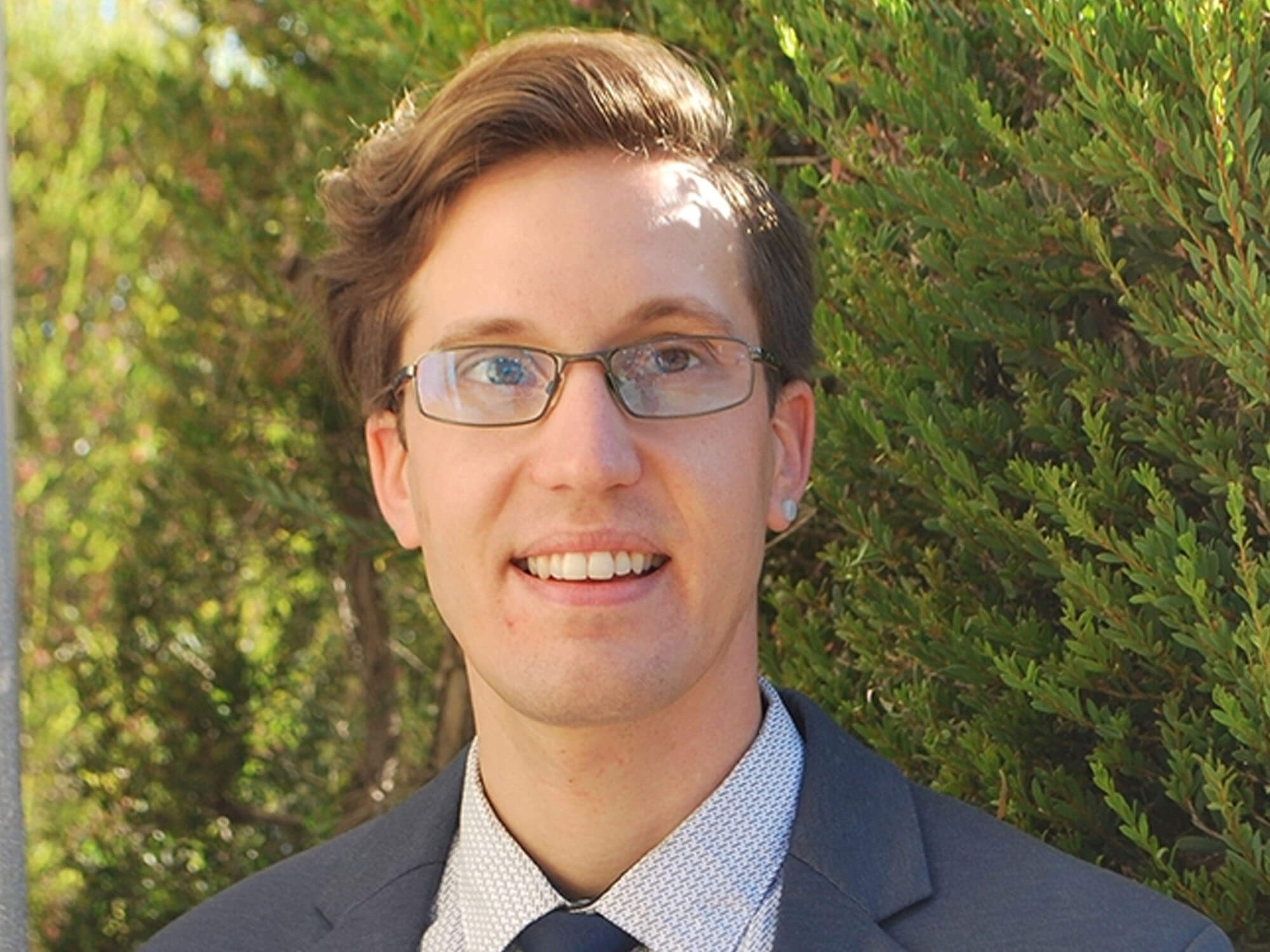
I worked with Andrew managing chronic pain stemming from orthopedic issues that emerged in my early 30s. I'd developed a very unhealthy cycle of pain, anxiety, and depression. Andrew's approach really helped me understand how my pain, and my socio-emotional state, were related, and allowed me to break free of negative cycles of pain. His approach of using education about the science of pain, combined with talk therapy, was exactly what I needed to both get a handle on my pain, and to move forward with a set of mindsets and solutions to both my pain, and broader emotional and identity challenges in my life. His multi-faceted, and highly professional approach to chronic pain and emotional wellbeing was both unique, and highly effective. Every time I met with Andrew, I knew I would receive sensitive, honest, and evidence-based support in addressing my chronic pain, and other interrelated life challenges.

S.F. Office Visit

In March 2023, I began working with Dr. Andrew Damian after years of struggling with intense chronic pain. It felt like I was trapped in a relentless cycle of fear, pain, and self-doubt—like my body had turned against me and knew exactly how to hurt me. Despite consulting numerous neurologists, physical therapists, primary care providers, chiropractors, psychologists, and psychiatrists, I never received any clear answers or meaningful relief. Medical doctors prescribed nerve blockers to mask the pain, but they didn’t address the root cause and came with troubling side effects. I was desperate for an explanation, yet no one could provide any insights. This left me feeling even more anxious, to the point where basic tasks became overwhelming. I was terrified to sleep, use the bathroom, or even wash dishes because everything seemed to trigger the pain. I believed I’d have to adjust to a life of constant discomfort and accept that being pain-free was no longer possible. While researching solutions, I came across neuro and biofeedback therapy as a way to heal the body. I explored various options, both local and online, but after speaking with Dr. Damian on the phone and meeting him in person, I was struck by his insights and extensive experience. He was the first professional to confidently explain what was happening to me and offer a legitimate explanation. That initial conversation alone brought me a sense of relief. After exhausting all other options and spending tens of thousands of dollars, I decided to take one last leap of faith and try this therapy. Within three months of working with Dr. Damian, everything changed. I finally understood what was happening to my body and learned what it needed to heal. Dr. Damian transformed my life—not only as a provider but also as a friend, coach, and unwavering support system.

S.R. Office Visit

When it comes to chronic pain, knowledge is power. Working with Dr. Damian to gain a fundamental understanding of the complexities of my brain’s role in my pain condition literally changed my life. Dr. Damian is tremendously skillful in sharing his deep knowledge to help people like me with chronic pain conditions.

J.H. Office Visit

3

Total Reviews

5

Average Rating

star-full star-full star-full star-full star-full
privacy We respect your privacy
* All information subject to change. Images may contain models. Individual results are not guaranteed and may vary.