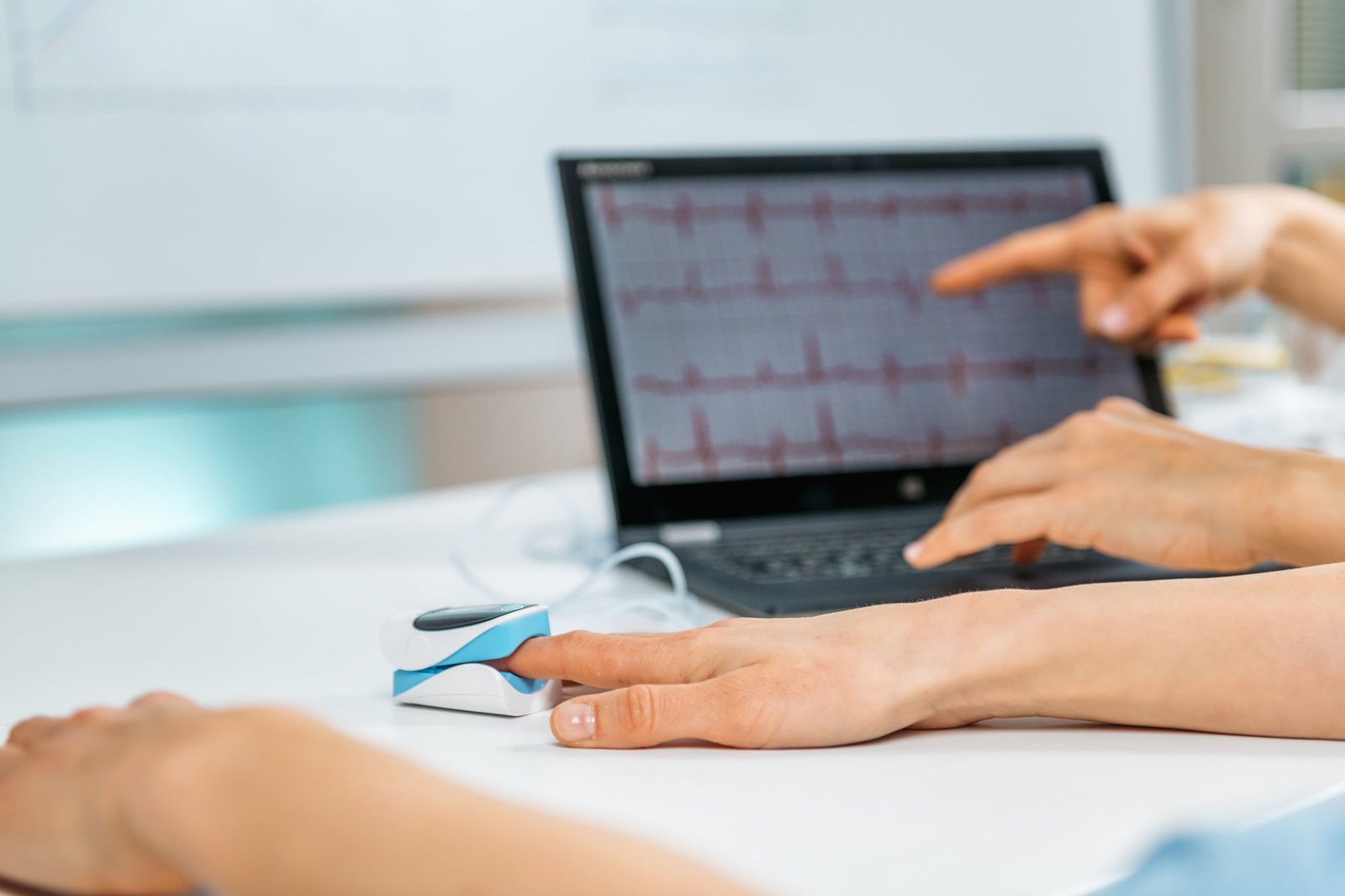
Heart rate variability (HRV) biofeedback is a type of therapy that involves using technology to monitor and measure the variations in the time between heartbeats. These variations, also known as heart rate variability, can be used as an indicator of a person's overall physical and emotional well-being.
One of the primary benefits of HRV biofeedback is its ability to help individuals regulate their stress, depression, and anxiety levels. A study published in the Journal Scientific Reports found HRV biofeedback exerted a positive and statistically significant (moderate) effect in reducing depressive symptoms after intervention, compared to other control and active conditions (Pizzoli, S.F.M., Marzorati, C., Gatti, D. et al., 2021).
In addition to its effectiveness in reducing depression, HRV biofeedback has also been shown to be helpful in the treatment of other mental health conditions such as anxiety and post-traumatic stress disorder (i.e. Kemp et al. 2012; Zucker et al. 2009).
Routine training with HRV biofeedback can be an effective way to manage anxiety and other mental health conditions. By regularly practicing HRV biofeedback techniques, individuals can learn to regulate their stress and emotions and improve their overall well-being. It's important to note that HRV biofeedback should be used as part of a comprehensive treatment plan that may also include other therapies such as medication and talk therapy.
In conclusion, HRV biofeedback is a promising therapy for the treatment of anxiety and other mental health conditions. Its effectiveness is supported by research and it can be a useful tool for individuals looking to improve their emotional well-being through regular training.
References
- Kemp AH, Quintana DS, Felmingham KL, Matthews S, Jelinek HF (2012). Depression, comorbid anxiety disorders, and heart rate variability in physically healthy, unmedicated patients: implications for cardiovascular risk. PLoS ONE 7, 1–8.
- Pizzoli, S.F.M., Marzorati, C., Gatti, D. et al. A meta-analysis on heart rate variability biofeedback and depressive symptoms. Sci Rep 11, 6650 (2021). https://doi.org/10.1038/s41598-021-86149-7
- Zucker TL, Samuelson KW, Muench F, Greenberg MA, Gevirtz RN (2009). The effects of respiratory sinus arrhythmia biofeedback on heart rate variability and posttraumatic stress disorder symptoms: a pilot study. Applied Psychophysiology and Biofeedback 34, 135–143.

Clinical neuropsychologist. Board certified in neurofeedback. Specialist in the places where mind and body meet.
About Dr. Damian →